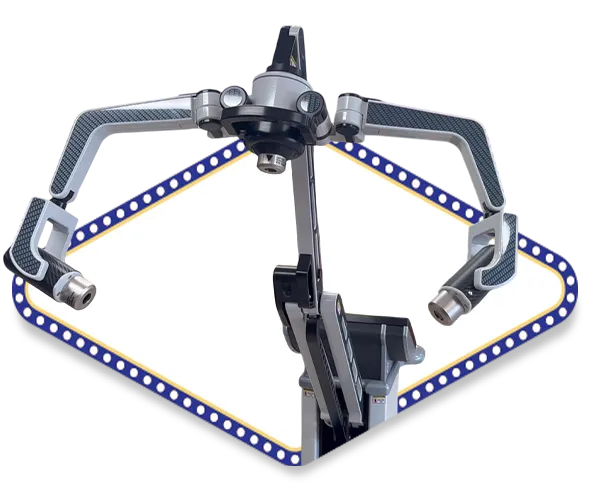
FX 635 cold laser therapy uses specific wavelengths of light to accelerate tissue healing, reduce inflammation, and relieve pain without medication or surgery. This FDA-cleared treatment is particularly effective for sports injuries, chronic pain, and acute soft tissue damage—helping athletes and active individuals recover faster and get back to peak performance.
You’re sidelined with an injury. Maybe it’s a nagging shoulder problem from CrossFit. Tennis elbow that won’t quit. That hamstring you pulled three weeks ago that still isn’t right. Or maybe you’re dealing with chronic pain that’s kept you off the basketball court for months.
Here’s what you need to know: cold laser therapy can significantly accelerate your recovery without drugs, injections, or downtime. And as someone who’s CrossFit certified and serves as a team chiropractor for the North American Football League, I’ve seen firsthand how effective this technology is for athletes at every level.
What Is Cold Laser Therapy (And Why “Cold”)?
Cold laser therapy—also called low-level laser therapy (LLLT) or photobiomodulation—uses specific wavelengths of light to stimulate cellular healing. The term “cold” distinguishes it from surgical lasers that cut tissue. This laser doesn’t heat or damage tissue—it triggers biological processes that accelerate healing.
Our FX 635 laser delivers precise wavelengths of red and near-infrared light that penetrate deep into tissue. When cells absorb this light energy, it jump-starts their natural healing mechanisms at the cellular level.
Think of it like photosynthesis for your cells. Plants use light energy to produce what they need to grow. Your cells use laser light energy to produce more ATP—the fuel that powers cellular repair and regeneration.
How FX 635 Laser Accelerates Healing
Cellular Energy Production
The laser stimulates mitochondria—the powerhouses of your cells—to produce more ATP. More energy means cells can repair damage faster, build new tissue more efficiently, and clear away damaged material more effectively.
Reduced Inflammation
Inflammation is your body’s natural response to injury, but chronic inflammation slows healing. Cold laser therapy modulates inflammatory responses, reducing swelling and pain while still allowing necessary acute inflammation for initial healing.
Increased Blood Flow
The laser stimulates formation of new capillaries in damaged tissue. Better blood flow means more oxygen and nutrients reach injured areas, and waste products are removed more efficiently.
Pain Relief

Multiple mechanisms contribute to pain reduction. The laser decreases nerve sensitivity, releases endorphins (natural pain relievers), and reduces the inflammation causing pain in the first place. Unlike medication that masks pain, this addresses underlying causes.
Sports Injuries That Respond to Cold Laser
As a sports-focused chiropractor in Ankeny, I treat athletes dealing with:
Acute Injuries:
- Muscle strains and tears
- Ligament sprains (ankle, knee, wrist)
- Tendon injuries (Achilles, rotator cuff)
- Contusions and bruising
- Post-surgical healing
Overuse Injuries:
- Tennis elbow (lateral epicondylitis)
- Golfer’s elbow (medial epicondylitis)
- Plantar fasciitis
- IT band syndrome
- Runner’s knee
- Shin splints
Chronic Pain Conditions:
- Tendinitis and bursitis
- Chronic lower back pain
- Neck pain from training
- Shoulder impingement
- Sciatica
The athletes who benefit most are those dealing with soft tissue injuries that aren’t healing as fast as they should. If you’re stuck in a frustrating cycle of injury-rest-reinjury, cold laser therapy can break that pattern.
Why Athletes Choose FX 635 Over Other Treatments
No Downtime
Unlike cortisone injections or surgery, laser therapy doesn’t require recovery time. You can train the same day—though we might modify intensity depending on your injury.
No Side Effects
Pain medications come with side effects and can mask injuries, leading to re-injury. Cold laser has no side effects. It’s working with your body’s natural healing processes, not suppressing them.
Accelerated Timeline
Studies show cold laser therapy can reduce healing time by 30-50% for many soft tissue injuries. For competitive athletes, that difference can mean making it back for playoffs instead of missing the season.
Addresses Root Causes
Rather than just managing pain, laser therapy actually heals damaged tissue. You’re not just feeling better—you’re actually getting better.
What to Expect During Treatment
Treatment sessions are quick and painless. You’ll feel the laser head against your skin, maybe some warmth, but no discomfort. Most treatments last 10-15 minutes depending on the area being treated.
The typical protocol involves multiple sessions over several weeks. Acute injuries might need 6-8 treatments. Chronic conditions often require 12-15 sessions for optimal results.
You might notice improvement after the first few sessions—reduced pain, better range of motion, less swelling. But complete healing takes time. The laser accelerates your body’s natural processes; it doesn’t deliver instant results.
At our Ankeny practice, we typically combine cold laser with other treatments for the best outcomes:
Proper spinal alignment ensures optimal nerve function and blood flow to injured areas. Many sports injuries involve compensatory movement patterns that create spinal dysfunction. We address both.
Soft Tissue Therapy
Releasing muscle tension and breaking up scar tissue complements laser therapy. Your muscles need to function properly for injuries to heal correctly.
Rehabilitation Exercises
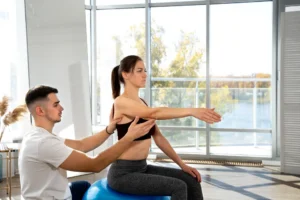
Specific exercises strengthen injured areas and prevent re-injury. The laser accelerates healing, but you still need to rebuild strength and proper movement patterns.
Real-World Results from Athletes
I’ve treated everyone from weekend warriors trying to stay active to professional athletes competing at the highest levels. Here’s what consistently happens:
A CrossFit athlete comes in with chronic shoulder pain that’s limited overhead movements for six months. After combining laser therapy with targeted adjustments and rehab exercises, she’s back to full training within eight weeks.
A high school football player pulls his hamstring mid-season. Traditional treatment might sideline him for 4-6 weeks. With aggressive laser therapy, proper rest, and strategic rehab, he’s back on the field in three weeks.
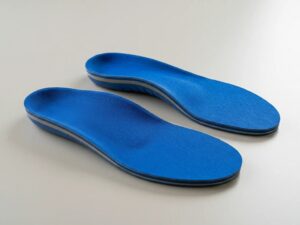
A recreational runner dealing with plantar fasciitis that’s persisted for over a year finally gets relief. The combination of laser therapy, custom orthotics, and addressing biomechanical issues in her gait resolves what other treatments couldn’t touch.
Beyond Sports: Other Applications
While I’m emphasizing athletic applications because of my background as a team chiropractor and CrossFit trainer, cold laser therapy helps non-athletes too:
Whiplash and soft tissue damage from collisions respond particularly well to laser therapy. It reduces inflammation quickly and accelerates healing of torn muscle fibers and damaged ligaments.
Fibromyalgia, arthritis, and other chronic pain conditions benefit from laser therapy’s anti-inflammatory and pain-relieving effects.
Workplace Injuries
Repetitive strain injuries, carpal tunnel syndrome, and posture-related pain improve with laser treatment combined with ergonomic corrections.
Post-Surgical Recovery
The laser accelerates tissue healing after surgery, reduces scar tissue formation, and helps restore function faster.
Why the FX 635 Specifically
Not all cold lasers are created equal. The FX 635 is FDA-cleared specifically for pain reduction and increased circulation. It delivers the optimal wavelength (635nm) proven most effective for tissue healing.
Many “cold lasers” on the market are low-powered devices that don’t penetrate deeply enough to treat anything beyond superficial tissue. The FX 635 has the power and wavelength to reach deep tissue—the muscles, tendons, and ligaments where most injuries actually occur.
Combining Laser with Comprehensive Care
Cold laser therapy works best as part of a complete treatment approach. At your $50 new patient evaluation, we assess your injury comprehensively. What caused it? What movement patterns contributed? What other structures are affected?
For instance, that shoulder pain might stem from thoracic spine misalignment. The IT band syndrome could be related to hip dysfunction. We use the laser to accelerate healing while addressing the biomechanical issues that caused the injury in the first place.
That’s the approach I’ve refined over 25+ years—treat the whole person, not just the injured part. The laser is a powerful tool, but it’s most effective when we’re also correcting alignment, restoring proper movement, and addressing the factors that led to injury.
For Athletes Serious About Performance
If you’re serious about your sport—whether that’s professional competition, weekend 5Ks, or hitting the gym five days a week—injuries can’t just heal eventually. You need to recover correctly and quickly.
The athletes I’ve worked with in New York, New Jersey, and now back home in Ankeny understand that managing injuries properly is part of training. You don’t push through pain and risk making things worse. You don’t rest indefinitely and lose conditioning. You get effective treatment that accelerates healing and gets you back to doing what you love.
Cold laser therapy gives you that edge. Combined with proper chiropractic care, targeted rehab, and sometimes nutritional support to reduce systemic inflammation, it’s one of the most effective tools we have for sports injury recovery.
Ready to Accelerate Your Recovery?
Whether you’re dealing with a fresh injury or a chronic problem that won’t quit, you don’t have to accept a slow, uncertain recovery. Cold laser therapy offers a proven, research-backed approach to healing faster and getting back to peak performance.
Call (515) 895-4927 or schedule your evaluation to find out if FX 635 laser therapy is right for your injury.