

Chiropractic care and physical therapy are both effective, drug-free approaches to pain relief – but they work differently, target different problems, and often produce the best results when used at the right time. Understanding the difference helps you make a smarter decision about your care instead of just guessing which direction to go.
What Each Approach Actually Does
Physical therapy focuses primarily on rehabilitating muscles, improving strength and flexibility, and retraining movement patterns. A physical therapist works with you through exercises, stretching, and sometimes modalities like ultrasound or electrical stimulation. The goal is to build your body’s capacity to support itself and move correctly.
Chiropractic care addresses the structural alignment of the spine and joints. When vertebrae shift out of position – due to injury, poor posture, repetitive stress, or wear and tear – they create nerve pressure, restrict movement, and cause pain. Chiropractic adjustments correct that misalignment directly, restoring proper joint function and taking pressure off the nervous system. That’s something no amount of strengthening exercise can achieve if the underlying alignment issue is still there.
Think of it this way. Physical therapy is excellent at building the muscles around a problem. Chiropractic addresses the problem itself. In many cases, both have a role to play.
When Chiropractic Tends to Be the Better Starting Point
There are specific situations where chiropractic care is clearly the more appropriate first step, and being honest about this matters to me more than steering everyone toward a longer treatment plan.
Disc Problems
Herniated discs, bulging discs, and the nerve compression they cause don’t respond well to exercise in the acute phase. Trying to strengthen your way through an active disc herniation can make it worse. Chiropractic – particularly spinal decompression therapy – addresses the structural cause by gently reducing disc pressure and encouraging the disc to retract. Once the disc issue is stabilized, adding targeted exercise makes much more sense.
Acute Joint Misalignment
If your pain is being driven by a vertebral or pelvic misalignment, you need the misalignment corrected first. Doing exercises on a misaligned spine doesn’t fix the alignment – it just builds muscle around the problem. Chiropractic adjustment restores the proper position so the rest of your rehabilitation actually works.
Nerve Pain and Sciatica
Shooting pain, numbness, and tingling that radiate from the spine into the arms or legs are nerve compression symptoms. Sciatica is a classic example. The compression needs to be relieved structurally – through adjustment, decompression, or a combination – before exercise-based rehab can be productive. Stretching a nerve that’s already under pressure often irritates it further.
Headaches Rooted in the Neck
Cervicogenic headaches – headaches that originate from cervical spine dysfunction – won’t resolve with muscle strengthening. They require correction of the joint and nerve issues in the upper cervical spine. Chiropractic care is particularly effective for this, where PT alone often falls short.
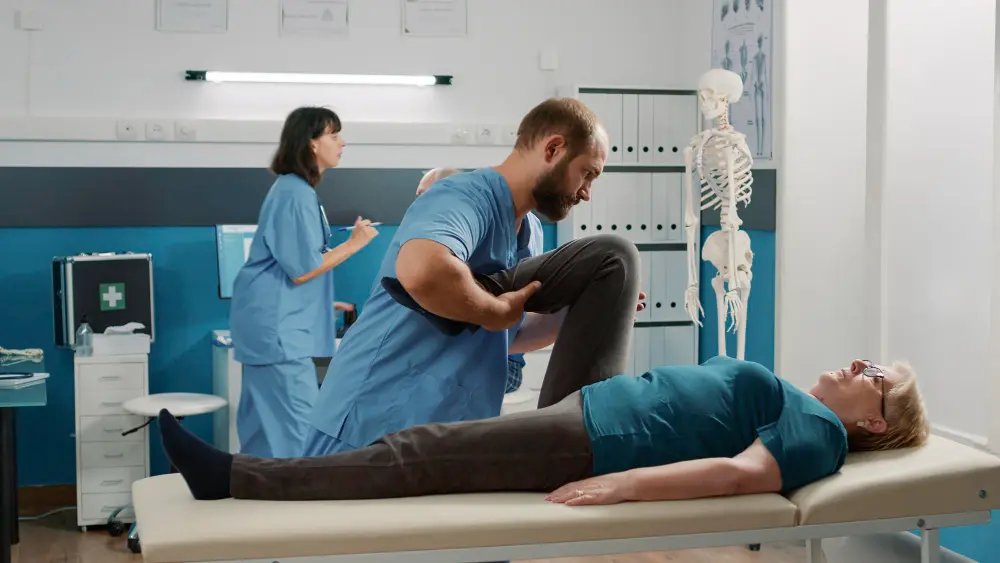
When Physical Therapy Tends to Be the Better Fit
Physical therapy is typically the stronger choice in a few specific scenarios, and I’ll be upfront about that too.
Post-surgical rehabilitation is one clear example. After a spine surgery or joint replacement, supervised exercise and movement re-education are the priority. Chiropractic adjustments in the immediate post-surgical period may not be appropriate depending on what was done.
Chronic weakness and muscle imbalance – where the structure is fine but the supporting musculature isn’t doing its job – is another area where PT often leads the way. If your pain comes from core weakness, poor hip stability, or movement dysfunction rather than joint misalignment, a targeted exercise program from a physical therapist is the right call.
Balance and neurological rehabilitation after injury or stroke is also squarely in PT’s territory.
Why the Two Often Work Best Together
Here’s something I tell patients regularly: chiropractic and physical therapy aren’t competing approaches. They’re complementary ones, and the best outcomes often come from using both strategically.
The typical sequence that makes the most sense is chiropractic first to correct structural alignment and reduce nerve pressure, followed by or combined with physical therapy to build the muscular support that keeps you from ending up back in the same position. If you fix the alignment but never strengthen the muscles around it, things tend to drift back. If you strengthen muscles around a misaligned spine, you’re reinforcing a problem.
In my 25 years of practice, I’ve referred patients to physical therapists many times and worked alongside PTs on shared patients. Good providers in any discipline know when to refer and when to collaborate. That’s how patients get better faster.
What a Chiropractic Evaluation Tells You That PT Intake Often Doesn’t
A thorough chiropractic evaluation involves assessing spinal alignment, nerve function, range of motion, and often X-rays to see exactly what’s happening structurally. We have on-site X-ray capability at our Ankeny practice, which means we’re not guessing. We’re looking at your spine and making decisions based on what’s actually there.
Physical therapy intake assessments are excellent at functional movement screening – they identify how you move and where compensation patterns exist. What they’re not designed to do is identify vertebral misalignment or disc pathology. That’s why starting with a chiropractic evaluation for back pain, neck pain, and nerve symptoms often gives you a clearer picture of what’s actually driving your pain before a rehab plan is designed.
Questions to Ask Yourself Before Choosing
Not sure which direction makes more sense for your situation? These questions can help point you in the right direction.
Is the pain sharp, shooting, or radiating into your limbs? That pattern suggests nerve involvement, which tends to respond better to chiropractic first.
Did the pain start after an injury, accident, or sudden movement? Structural misalignment from trauma is a chiropractic priority. Auto accidents, falls, and sports injuries often cause joint displacement that needs to be corrected before rehab begins.
Have you already tried physical therapy without lasting results? If PT helped temporarily but the pain keeps coming back, there’s likely an underlying structural issue that hasn’t been addressed. That’s where chiropractic often picks up where PT left off.
Is your pain dull, achy, and related to weakness or poor movement? That pattern leans more toward PT as the primary approach, though a chiropractic evaluation is still worth having to rule out structural contributors.
The Honest Answer
Both chiropractic care and physical therapy are legitimate, valuable approaches. The right answer depends on what’s actually causing your pain – which is why a proper evaluation matters more than defaulting to whichever option you’ve heard more about.
At Kimberlin Chiropractic Health Systems, I take the time to actually figure out what’s going on before recommending anything. Our approach is to treat the root cause, not chase symptoms. If I think physical therapy would serve you better than chiropractic – or alongside it – I’ll tell you that directly. That’s the kind of care people in Ankeny and the Des Moines area deserve.
If you want an honest evaluation of what’s driving your pain and what approach makes the most sense, call us at (515) 895-4927 or book online here. New patients can get started with our $50 new patient special.