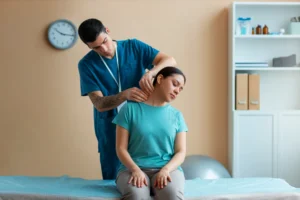

Chiropractic care for children is safe, gentle, and very different from adult adjustments – and for many kids, it addresses issues that parents have been struggling to resolve through other means. At Kimberlin Chiropractic Health Systems in Ankeny, Dr. Dale Kimberlin has treated patients as young as newborns, using techniques specifically adapted to small bodies that involve no forceful manipulation whatsoever.
The Most Common Question Parents Ask First
Almost every parent who calls about bringing their child in asks the same thing: “Is it safe?” It’s a fair question, and the answer is yes – when performed by a chiropractor experienced with pediatric care. The techniques used on children, especially infants, bear almost no resemblance to the adjustments adults receive. The pressure used on a newborn is comparable to the gentle touch you’d use to check a tomato for ripeness. There’s no cracking, no twisting, and no force.
The American Chiropractic Association and the International Chiropractic Pediatric Association both recognize chiropractic care as appropriate for children across all age groups when delivered by a trained provider. The key is working with someone who has actual experience treating kids – not every chiropractor does, and technique matters.
Why Would a Child Need Chiropractic Care?
This is probably the second question most parents have. Kids seem resilient – they fall, bounce back, and keep going. But their spines and nervous systems are under more stress than many parents realize, starting from the very beginning.
Birth Trauma and Newborns
The birthing process – even an uncomplicated vaginal delivery – puts significant compressive and rotational force on the baby’s head, neck, and upper spine. Difficult deliveries involving forceps, vacuum extraction, or prolonged labor increase that stress considerably. Misalignment in the upper cervical spine from birth is more common than most parents know, and it can affect a newborn’s ability to latch for breastfeeding, turn their head comfortably to one side, and sleep without fussiness.
A gentle chiropractic check in the first few weeks of life can identify and correct any misalignment before it becomes an ongoing issue. Many parents report noticeable improvements in feeding and sleep after their newborn’s first adjustment – often within days.
Toddlers and Early Childhood
The toddler years involve a remarkable amount of falling. Learning to walk, climb, and run means hundreds of minor tumbles that, individually, seem harmless. Cumulatively, they can create small misalignments that affect posture, movement, and comfort. A child who consistently tilts their head to one side, seems uncomfortable in certain positions, or has recurring ear issues may be dealing with cervical spine restriction that’s easily addressed with chiropractic care.
School-Age Children
Once kids start school, two new spinal stressors enter the picture: heavy backpacks and prolonged sitting. Studies have documented a clear relationship between heavy backpack use and back pain in children, and the posture most kids adopt at a desk – hunched forward, head down – puts the same strain on the developing spine as it does in adults. The difference is that children’s spines are still growing and forming, which means poor alignment established early can influence how they develop.
Posture problems caught and corrected during childhood are significantly easier to address than the same issues in an adult who has spent 20 years reinforcing a faulty pattern.
Active Kids and Young Athletes
Kids who play sports – especially contact sports, gymnastics, wrestling, or anything involving repetitive loading – take on a lot of physical stress. Youth sports injuries are often undertreated because they’re dismissed as growing pains or minor soreness. But a spinal or joint injury in a young athlete that doesn’t get properly addressed can affect how they move for years.
As someone who has worked with athletes at the professional level, I take youth sports injuries seriously. The foundation of movement patterns established when athletes are young often determines how well they hold up later. Chiropractic adjustments for young athletes keep the spine and joints moving correctly, support recovery, and help prevent the minor issues from becoming major ones.
Conditions in Children That Chiropractic May Help With
Beyond injury and posture, there are several pediatric conditions where parents have reported meaningful improvement with chiropractic care. It’s important to be honest here – chiropractic doesn’t cure conditions, and every child is different. But the nervous system connection is real, and when the spine is properly aligned, the body functions better overall.
- Difficulty breastfeeding or latching (often linked to upper cervical restriction in newborns)
- Colic and excessive fussiness in infants
- Recurring ear infections (chiropractic may support drainage and immune function)
- Growing pains in the legs and back
- Scoliosis monitoring and postural support
- Sports injuries and recovery
- Headaches in older children and teens
- Postural problems from screen time and heavy bags
I always recommend that parents continue working with their pediatrician for any medical concerns. Chiropractic care works alongside conventional pediatric medicine – it’s not a replacement for it.
What a Pediatric Chiropractic Visit Looks Like
For first-time parents bringing a child in, knowing what to expect makes the whole experience less stressful. Here’s how we approach pediatric visits at our Ankeny practice.
The Consultation
We start by talking with you – the parent – about what you’re seeing, your child’s health history, birth history for infants, and what specifically brought you in. This conversation matters as much as anything else. You know your child better than anyone, and the details you share shape the evaluation that follows.
The Examination
For infants and toddlers, the examination is very gentle and observational. We assess range of motion in the neck and spine, look for areas of restriction or tenderness, and observe how the child moves and positions themselves. For older children, we add orthopedic and postural assessments. On-site X-rays are available when clinically appropriate, though we only recommend them when there’s a specific clinical reason.
The Adjustment
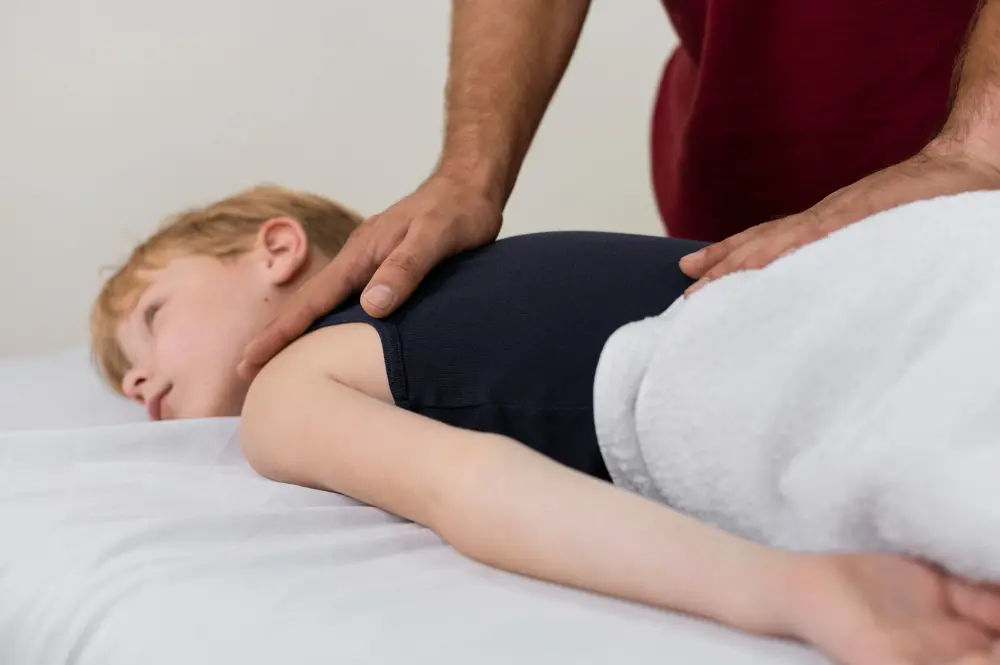
Pediatric adjustments are light, specific, and brief. For infants, the technique is essentially a sustained gentle contact over the restricted joint – no popping, no rotation, no force. For older children, the techniques are slightly more similar to adult care but still significantly lighter in pressure. Most kids respond well and many actually enjoy their visits once they know what to expect.
How Often Do Children Need to Be Seen?
It depends entirely on what we find and why you’re bringing them in. A child with a specific complaint – say, neck restriction after a sports collision – may need a short course of treatment and then they’re done. Some parents choose to bring their kids in periodically for wellness checks, similar to dental checkups, to catch any developing issues before they become problems. Others come in only when something is bothering their child.
There’s no one-size-fits-all answer, and I won’t pretend there is. I’ll give you an honest recommendation based on your child’s specific situation, and I won’t recommend visits beyond what I genuinely think is needed.
We treat entire families at Kimberlin Chiropractic Health Systems – from newborns to grandparents – and family chiropractic care is one of the things we’re most proud to offer in Ankeny. If you have questions about whether chiropractic is right for your child, the best first step is a conversation. Call us at (515) 895-4927 or book a visit online and we’ll talk through what makes sense for your family.