
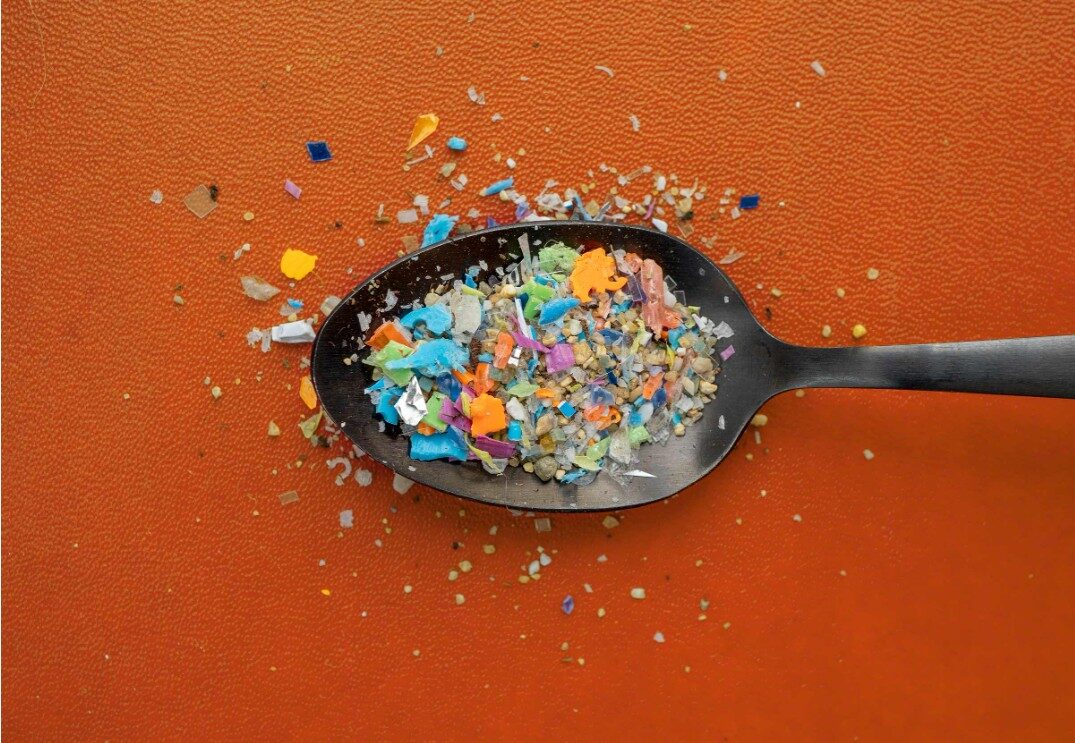
Microplastics are tiny plastic particles that result from the breakdown of larger plastics, primarily through heat, friction, and environmental exposure. They are now virtually everywhere – and they’re entering our bodies every day through the air, food, and water. The health implications are serious, and for the first time, there are steps you can take to measure and reduce your burden.
Some Everyday Sources of Microplastics
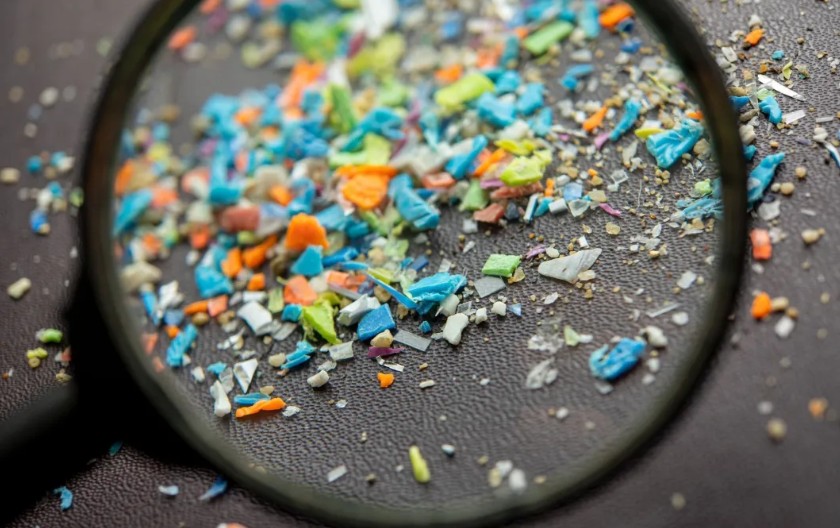
Complete avoidance is nearly impossible in modern life. Every time you do any of the following, you’re potentially exposing yourself to microplastics:
- Prepare food on a plastic cutting board
- Drink from a plastic bottle
- Take restaurant leftovers home in plastic containers
- Brush your teeth with a plastic toothbrush
- Use plastic bags or packaging
- Wear synthetic clothing
- Apply personal care products
These exposures add up fast. Most people don’t realize how constant and unavoidable the daily dose really is.
How Microplastics Accumulate in the Human Body
Research shows microplastics are accumulating in human tissues. According to U.S. government findings and multiple studies, they have been detected in the brain, blood, lungs, liver, and kidneys.
Alarmingly, 100% of tested newborn placentas have been found to contain microplastics. Some estimates suggest the average person may have the equivalent of a spoonful of plastic particles lodged in their brain tissue.
Serious Health Concerns Linked to Microplastics
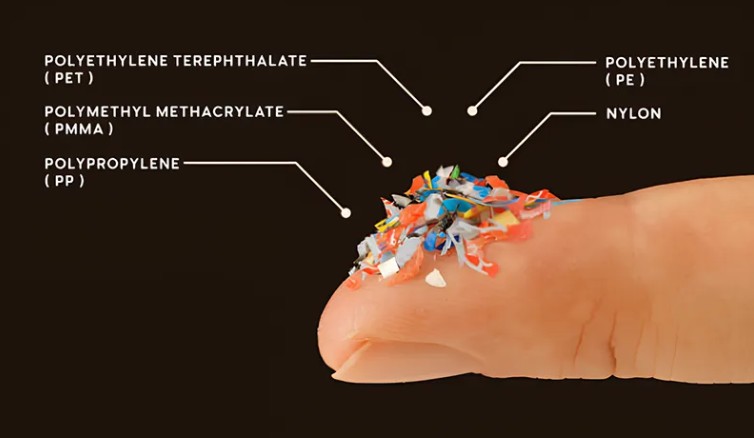
This isn’t just a theoretical concern. Microplastics have been linked to chronic inflammation, cardiovascular disease, tumor formation, and reduced cognitive function. Diseased tissues consistently show higher concentrations of microplastics compared to healthy tissue.
A study published in the Journal of the American Heart Association found that people with microplastics embedded in their arterial plaques faced a 450% higher risk of heart attack, stroke, or death within the next three years.
With tens of thousands of plastic particles consumed or inhaled annually through food, water, and air, this hidden burden may be contributing to rising rates of chronic illness – including potential links to conditions like Alzheimer’s that warrant further research. It’s one of the reasons I incorporate nutritional therapy and detox protocols into patient care here in Ankeny.
The Good News: You Can Measure and Reduce Your Microplastic Burden
For the first time, you can test your own microplastic levels at home with a convenient test kit. Here’s how the process works:
- Baseline Test – Discover your current microplastic levels.
- Targeted Support – Use specially formulated supplements shown to help your body eliminate microplastics.
- Follow-Up Test – Measure your progress and see tangible results.
Key statistic: 80% of Americans tested so far have measurable microplastics embedded in their bodies.
This kind of root-cause approach is exactly what we do with MVX metabolic testing – identifying what’s actually going on inside your body so we can build a real plan around it, not just guess.
Learn More and Take Action
The Netflix documentary The Plastic Detox does an excellent job explaining how to reduce future exposure. What it doesn’t cover, though, is how to actively remove microplastics already in your system. That’s where we come in.
At Kimberlin Chiropractic Health Systems in Ankeny, we offer testing, personalized guidance on elimination protocols, and follow-up testing so you can track your progress. This fits directly into our whole-body, root-cause approach to detox and nutritional therapy.
Ready to reduce your microplastic burden and protect your long-term health? Contact us today or call (515) 895-4927 to get started.