A herniated disc occurs when the soft inner gel of a spinal disc pushes through a tear in its outer layer, potentially compressing nearby nerves and causing pain, numbness, or weakness. Approximately 90% of herniated disc cases respond well to non-surgical treatments like spinal decompression therapy, chiropractic adjustments, and cold laser therapy. At Kimberlin Chiropractic Health Systems in Ankeny, Iowa, Dr. Dale Kimberlin provides comprehensive, conservative care that helps patients avoid surgery while addressing the root cause of their pain.
What Is a Herniated Disc?
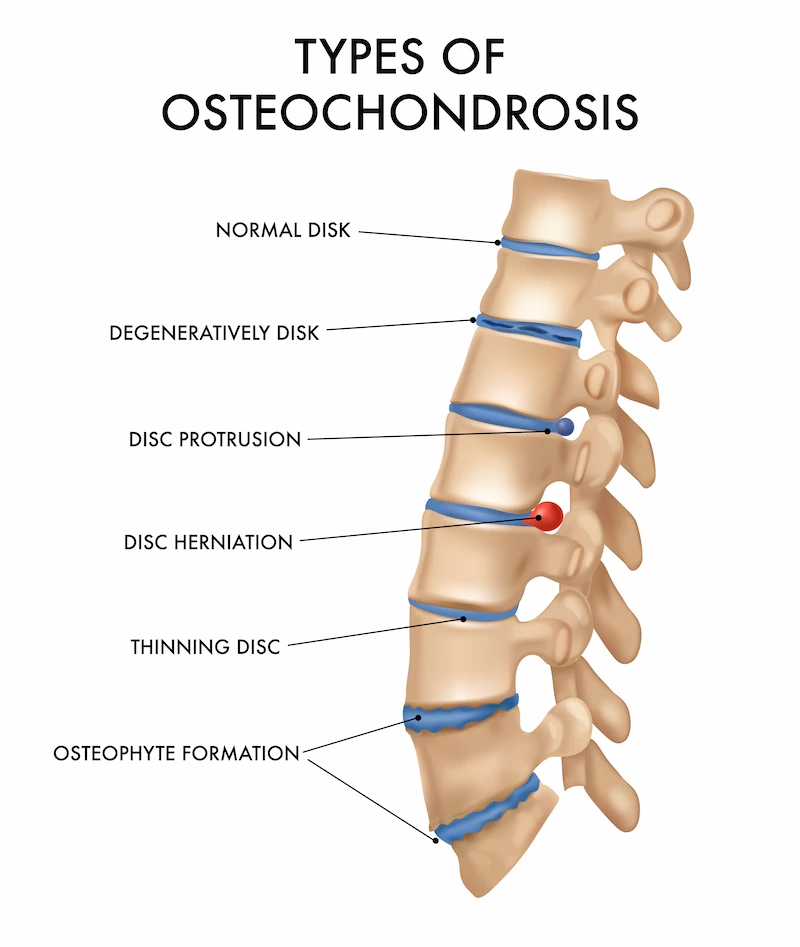
A herniated disc (also called a bulging or slipped disc) happens when the soft, gel-like center of a spinal disc—called the nucleus pulposus—pushes through a crack in the tougher outer layer known as the annulus fibrosus. When this herniated material contacts nearby spinal nerves, it can trigger pain, numbness, or weakness that radiates into the arms or legs.
This condition affects people across all age groups, though it’s most common between ages 30 and 50. The onset can be sudden—like lifting a heavy object incorrectly—or develop gradually from repetitive strain and poor posture. Many Ankeny residents initially mistake herniated disc symptoms for muscle strains or general aging, which delays proper diagnosis and treatment.
Understanding your specific herniated disc is the first step toward effective treatment and preventing future problems.
How Herniated Discs Cause Pain
Your spinal column consists of vertebrae stacked on top of each other, with intervertebral discs acting as cushions between each bone. Here’s what happens when one herniates:
The disc’s tough outer layer (annulus fibrosus) weakens or tears. The soft inner material (nucleus pulposus) protrudes outward. This protruding material compresses or irritates nearby spinal nerves.
Where you feel symptoms depends on the herniation’s location:
- Lumbar spine (lower back): Typically causes sciatica—pain radiating down one leg
- Cervical spine (neck): Can produce pain, numbness, or weakness in your shoulder, arm, or hand
A herniation doesn’t always cause immediate pain. Problems arise when the protruding disc material contacts nerve tissue, which explains why some people have herniations visible on imaging but experience no symptoms.
Why Choose Non-Surgical Treatment?
Research consistently shows that approximately 90% of herniated disc patients experience significant improvement with conservative, non-surgical care. Surgery should typically be considered only after exhausting other options or in cases of severe neurological compromise—such as loss of bowel or bladder control.
Non-surgical herniated disc treatment offers several advantages:
- Works with your body’s natural healing processes
- Avoids the inherent risks of surgery and anesthesia
- Requires no extended recovery period keeping you away from work and family
- Preserves your spine’s structural integrity
- Costs significantly less than surgical procedures
For Ankeny residents dealing with herniated disc pain, starting with conservative care provides the best risk-to-benefit ratio for most patients.
Effective Non-Surgical Treatments
Spinal Decompression Therapy
Spinal decompression therapy uses specialized equipment to gently stretch the spine, creating negative pressure within the disc. This negative pressure encourages herniated material to retract toward its proper position while promoting the flow of healing nutrients, oxygen, and fluids into the damaged disc.
Unlike traditional traction, modern spinal decompression is computer-controlled and calibrated to your body’s specific needs. Treatment sessions typically last 20-30 minutes and are completely painless—most patients find the experience relaxing, with many falling asleep during sessions.
The therapy cycles through periods of decompression and partial relaxation, preventing your muscles from reflexively tightening against the treatment. Clinical studies demonstrate success rates exceeding 85% in appropriate candidates.
Learn more about spinal decompression therapy at Kimberlin Chiropractic
Chiropractic Adjustments
Chiropractic care offers targeted, gentle adjustments that can significantly reduce herniated disc pain and promote healing. At Kimberlin Chiropractic Health Systems, Dr. Dale assesses your specific condition and develops a customized treatment plan addressing the root cause of your symptoms—not just masking pain.
Chiropractic treatment for herniated discs requires specialized knowledge and technique. Not all adjustments are appropriate for every case. A thorough examination, possibly including diagnostic imaging, determines the most appropriate approach. Techniques may include:
- Gentle mobilization
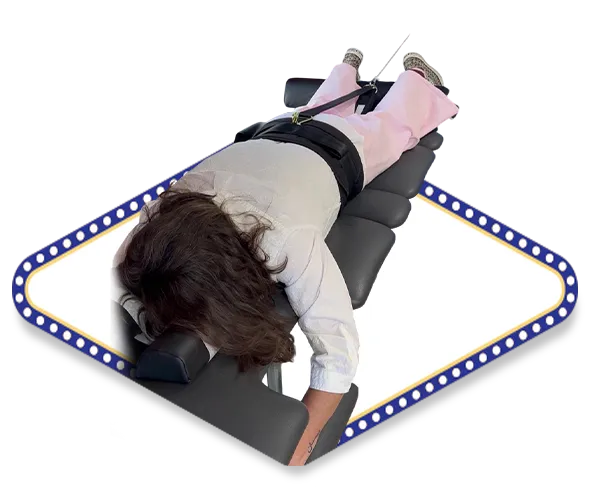
- Flexion-distraction therapy
- Instrument-assisted adjustments
These methods avoid high-velocity manipulations when necessary, providing effective relief while respecting your condition’s specific requirements.
Explore chiropractic adjustments
Cold Laser Therapy
Cold laser therapy (also called low-level laser therapy or LLLT) uses specific wavelengths of light to penetrate deep into damaged tissues, stimulating cellular repair and reducing inflammation at the source. This FDA-cleared technology produces no heat, sound, or vibration—it’s completely non-invasive.
The mechanism involves photobiomodulation: light energy triggers biochemical changes in cells, stimulating ATP (cellular energy) production, increasing circulation to the affected area, and accelerating your body’s natural healing processes.
Treatment sessions are brief—typically 5-10 minutes—and patients often notice reduced pain and improved mobility after just a few sessions. Cold laser therapy works synergistically with other treatments, making it an excellent component of a comprehensive herniated disc care plan.
Discover cold laser therapy options
The Comprehensive Treatment Approach
Effective herniated disc relief rarely comes from a single treatment. The most successful outcomes occur when multiple complementary therapies work together to address different aspects of your condition.
A comprehensive treatment plan should address:
- Pain reduction
- Inflammation control
- Structural correction
- Strengthening and stabilization
- Prevention of future injury
Your plan gets customized to your specific condition, symptoms, lifestyle, and goals. Factors like herniation location, symptom severity, overall health, and daily activities all influence which combination of therapies works best for you.
Regular reassessment ensures your treatment evolves as you heal, maximizing results and preventing setbacks.
Learn about our treatment approach
What to Expect During Treatment
Beginning non-surgical treatment at Kimberlin Chiropractic starts with a comprehensive evaluation:
- Detailed discussion of your symptoms and medical history
- Physical examination assessing range of motion, strength, and neurological function
- Review of existing imaging studies or recommendations for new diagnostic tests
This thorough assessment allows Dr. Dale to create a targeted treatment strategy specific to your situation.
Timeline expectations:
Most patients begin noticing improvement within the first few weeks, though this varies based on herniation severity and symptom duration. Acute cases (present less than three months) generally respond more quickly than chronic cases.
A typical treatment plan spans 6-12 weeks, with sessions scheduled 2-3 times weekly initially, then gradually reducing as you improve. Throughout your care, you’ll receive guidance on activities to avoid, proper body mechanics, and exercises to support your recovery at home.
Frequently Asked Questions
How long does it take for a herniated disc to heal without surgery?
Most herniated discs improve significantly within 6-12 weeks with conservative treatment. Acute cases often respond faster than chronic ones. The timeline depends on herniation severity, your overall health, and how consistently you follow your treatment plan.
Can a chiropractor fix a herniated disc?
Chiropractic care can effectively relieve herniated disc symptoms and support healing, though “fix” oversimplifies the process. Treatment focuses on reducing nerve irritation, restoring proper spinal alignment, and creating conditions for your body to heal naturally. Many patients experience significant improvement without surgery.
What aggravates a herniated disc?
Common aggravating factors include prolonged sitting, heavy lifting with poor form, bending and twisting simultaneously, high-impact activities, and poor posture. During treatment, you’ll learn specific movements to avoid and proper body mechanics to protect your healing disc.
Is spinal decompression therapy safe?
Yes, spinal decompression therapy is considered safe for most herniated disc patients. The treatment is non-invasive, painless, and computer-controlled for precision. However, it’s not appropriate for everyone—patients with certain conditions like severe osteoporosis, spinal fractures, or spinal implants may need alternative treatments.
Find Relief in Ankeny
If herniated disc pain is affecting your quality of life, you don’t have to accept surgery as your only option. With 25+ years of experience and over 100,000 patients treated, Dr. Dale Kimberlin has helped thousands of people return to active, pain-free lives without going under the knife.
Ready to find out what’s really causing your pain? Deal yourself in—call (515) 895-4927 or schedule your $50 new patient evaluation today.