

Spinal decompression therapy is a non-surgical treatment that uses controlled, motorized stretching to relieve pressure on spinal discs and nerves. The therapy creates negative pressure within the disc, encouraging herniated or bulging material to retract while drawing healing nutrients into damaged tissue. Treatment sessions last 20-30 minutes, require 15-30 sessions over 4-6 weeks, and have helped many patients with herniated discs, sciatica, and degenerative disc disease avoid surgery.
How Spinal Decompression Therapy Works
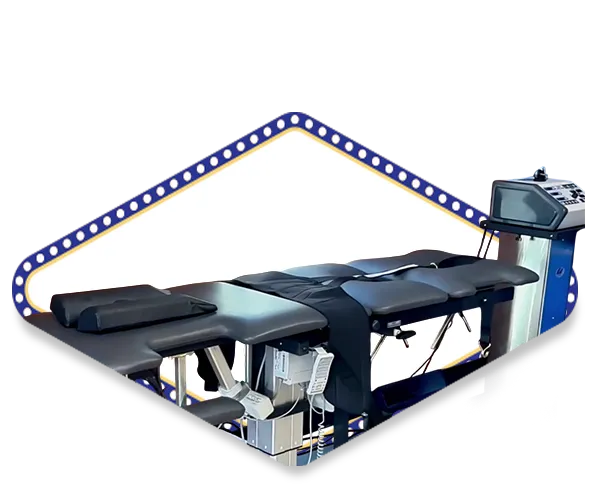
Spinal decompression therapy gently stretches the spine in a controlled, gradual manner using a specialized computerized table. This stretching creates what’s called negative intradiscal pressure within the affected spinal discs.
This negative pressure serves several important functions:
- Retracts herniated material — Bulging or herniated disc material gets drawn back toward the disc center, taking pressure off pinched nerves
- Creates a vacuum effect — Draws oxygen, water, and nutrient-rich fluids into the discs, promoting natural healing
- Repositions spinal discs — Improves alignment and reduces compression on sensitive structures
- Reduces muscle tension — Relaxes tight muscles throughout the back and neck
Unlike continuous traction (which can trigger muscle guarding), spinal decompression alternates between stretching and relaxation cycles. This intermittent approach prevents your muscles from reflexively tightening against the treatment, allowing deeper, more effective decompression.
Types of Spinal Decompression
Motorized spinal decompression — The most common and precise form. Computerized tables apply controlled traction, targeting specific spinal segments and adjusting in real-time based on your body’s response. This is what’s used at Kimberlin Chiropractic Health Systems.
Manual/mechanical traction — Uses non-motorized techniques to stretch the spine. Less precise than computerized systems.
Inversion therapy — Patients hang at an angle to use gravity for decompression. Generally considered less controlled and effective than motorized approaches.
Professional spinal decompression therapy employs FDA-cleared medical devices that allow customization to your specific condition, body type, and tolerance levels.
Conditions Treated with Spinal Decompression
Spinal decompression therapy has proven effective for several conditions causing chronic pain and limited mobility.
Herniated or Bulging Discs
When the soft inner material of a spinal disc pushes through its outer layer, it can press on nearby nerves, causing pain, numbness, and weakness. Decompression therapy helps retract the herniated material and reduce nerve compression. Learn more about herniated disc treatment.
Sciatica
Sciatica—pain radiating down the leg due to sciatic nerve compression—responds well to decompression. By relieving pressure on nerve roots in the lower back, patients often experience reduced leg pain, tingling, and numbness.
Degenerative Disc Disease
When spinal discs break down over time, they lose height and cushioning ability, causing chronic back pain. Spinal decompression improves nutrient flow to deteriorating discs and reduces mechanical stress.
Spinal Stenosis
A narrowing of the spinal canal that puts pressure on the spinal cord and nerves. Decompression techniques help create more space within the canal, reducing symptoms.
Other Conditions That May Benefit
- Posterior facet syndrome (worn spinal joints)
- Auto accident injuries affecting the spine
- Chronic lower back pain without clear structural cause
- Pinched nerves in the neck or back
Benefits of Spinal Decompression Therapy
Pain Relief and Symptom Reduction
By reducing pressure on compressed nerves and damaged discs, patients often experience marked decreases in back and neck pain—sometimes after just a few sessions. The therapy directly addresses nerve compression responsible for numbness, tingling, and burning sensations in extremities.
Improved Mobility and Function
As pain decreases and spinal function improves, patients often move more freely, bend without discomfort, and return to activities they’d previously abandoned.
Promotes Long-Term Healing
The negative pressure created during treatment enhances circulation to spinal discs, which normally receive limited blood flow. This improved circulation delivers essential nutrients and oxygen to damaged tissues, supporting natural repair. The therapy also helps restore proper disc height and spinal alignment.
Non-Surgical Alternative
Spinal decompression involves no incisions, no anesthesia, and no risk of surgical complications. There’s typically no downtime—most patients return to normal activities immediately after each session. The cost savings compared to surgery are significant, as is avoiding lengthy recovery periods.
At Kimberlin Chiropractic, Dr. Dale Kimberlin has helped patients avoid over $3.6 million in surgery costs through conservative treatments like spinal decompression.
What to Expect During Treatment
Before Your First Session
Your provider conducts a thorough evaluation, including medical history and diagnostic imaging review. This assessment determines if you’re a good candidate and allows customization of your treatment plan.
During a Session
You’ll be fitted with a harness around your pelvis and trunk, then lie on the computerized decompression table (face-up or face-down depending on which spinal area is being treated).
What happens next:
- The table gently stretches your spine using precise, computer-controlled motion targeting specific segments
- You’ll feel a comfortable, gradual pulling sensation—not painful, most patients describe it as relieving pressure or a “light stretch”
- The machine alternates between slow traction and relaxation cycles, preventing muscle guarding
- Sessions last 20-30 minutes
- You remain fully clothed throughout
Many patients find the experience relaxing enough to read, listen to music, or fall asleep.
Treatment Timeline
A complete program generally includes 15-30 sessions over 4-6 weeks. The exact number depends on your diagnosis, symptom severity, and how your body responds. Some patients notice measurable pain relief within just a few sessions.
Your chiropractor monitors progress throughout, adjusting traction angles, intensity, or frequency as needed. Learn more about our comprehensive treatment approach.
Possible Risks and Considerations
Spinal decompression therapy is generally safe and well-tolerated. Some patients notice mild soreness or aching after initial sessions—typically temporary and resolving within a day or two. Brief muscle spasms during the first few sessions are also possible.
Who Should Avoid Spinal Decompression
- Pregnant women
- Individuals with fractures, tumors, or advanced osteoporosis
- Patients with spinal instability or severe nerve damage
- Those with certain spinal hardware or implants
- People with abdominal aortic aneurysm
A thorough evaluation with a qualified provider determines if you’re a good candidate. Always disclose your complete medical history before beginning treatment.
Combining Spinal Decompression with Other Therapies
Spinal decompression often works best as part of a comprehensive treatment plan.
Chiropractic adjustments pair particularly well—while decompression relieves disc pressure, adjustments restore proper spinal alignment and joint function. This combination addresses multiple aspects of spinal dysfunction simultaneously.
Cold laser therapy reduces inflammation and accelerates tissue healing, complementing the structural improvements from decompression.
Rehabilitation exercises strengthen muscles supporting your spine, helping maintain improvements and prevent future injuries.
Nutritional therapy supports your body’s healing capacity from the inside out.
This integrated approach—combining spinal decompression with other evidence-based therapies—often produces superior outcomes compared to any single treatment alone.
Frequently Asked Questions
How long does it take to see results from spinal decompression therapy?
Many patients report noticeable pain reduction within 2-3 sessions, though significant and lasting improvements typically develop over several weeks. A complete program usually involves 15-30 sessions over 4-6 weeks. Patients with chronic conditions may need additional sessions, while acute problems often respond more quickly.
Is spinal decompression therapy painful?
No—most patients describe it as comfortable and relaxing. You’ll feel a gentle pulling or stretching sensation that should feel like relieving pressure rather than causing discomfort. The computerized system gradually cycles traction, allowing muscles to relax. Many patients read, listen to music, or fall asleep during sessions.
Does insurance cover spinal decompression therapy?
Coverage varies significantly by plan and diagnosis. Some insurers cover it when deemed medically necessary for approved conditions like herniated discs or chronic back pain unresponsive to other treatments. Contact your insurance provider before beginning treatment. Our office can help navigate coverage questions and offers payment options if coverage is limited.
How is spinal decompression different from regular traction?
Traditional traction applies continuous pulling force, which can trigger defensive muscle contractions that limit effectiveness. Spinal decompression uses computerized systems applying intermittent traction in controlled cycles of pulling and relaxation. This prevents muscle guarding, allows deeper decompression, and can target specific spinal segments with precise force levels adjusted in real-time.
Can spinal decompression help with neck pain?
Yes. Spinal decompression effectively treats both cervical (neck) and lumbar (lower back) conditions. The same principles—relieving disc and nerve pressure, improving circulation, promoting healing—apply to the cervical spine. Conditions like cervical herniated discs, neck pain radiating into arms, and cervical stenosis all respond to properly administered cervical decompression.
Find Relief in Ankeny
If chronic back or neck pain is affecting your quality of life, spinal decompression therapy may offer the relief you’ve been seeking—without surgery, medications, or lengthy recovery periods.
With 25+ years of experience and over 100,000 patients treated, Dr. Dale Kimberlin has helped thousands avoid surgery through comprehensive, non-invasive care.
Ready to find out if spinal decompression is right for you? Call (515) 895-4927 or schedule your $50 new patient evaluation today.